Are Print-on-Demand Shirts Good Quality? An Honest Answer
Print-on-demand t-shirt quality depends on two things: the blank and the print method. Here's what separates a POD shirt that lasts years from one that fades in a month, and exactly how Banned Clothes tees are made.
Print-on-demand shirts can be excellent or terrible, and the difference comes down to two choices the seller makes: which blank they print on and how the design is applied. The printing model itself (making each shirt after it's ordered) has nothing to do with quality. A good POD tee on a retail-grade blank with a proper DTG print is indistinguishable from a shirt bought in a store, because that is what it is.
Here's what to check before you buy, and how our shirts measure up.
1. The blank
Most complaints about POD quality are really complaints about the shirt underneath. Many shops default to the cheapest option, a thin or coarse promotional tee, because the margin is better.
Look for the blank's brand and model on the product page. If the seller won't tell you, assume it's the cheap one. Well-regarded retail blanks include the Bella+Canvas 3001, Next Level 3600 and Comfort Colors 1717.
The Banned Clothes standard blank is the Bella+Canvas 3001: 100% Airlume combed and ring-spun cotton, 4.2 oz/yd², side-seamed, unisex retail fit. It's the same shirt many streetwear and band-merch brands use. Every product page lists the exact blank under "Fabric & fit". Read the full comparison in Bella+Canvas 3001 vs Gildan 5000.
2. The print method
There are three common ways a POD design ends up on a shirt:
- Direct-to-garment (DTG). Water-based inks are sprayed directly into the fabric, then heat-cured. The print is soft, breathable and part of the shirt. Fine detail and gradients print well. This is what we use.
- Heat-transfer vinyl. A cut sheet of vinyl is pressed on. It feels like a sticker, doesn't breathe, and eventually cracks or peels at the edges.
- Direct-to-film (DTF). A printed transfer film is pressed on. Colors are vivid and it works on any fabric, but the print sits on top with a slightly plasticky hand feel.
For a text-heavy design on cotton, DTG gives the best combination of softness and longevity.
3. Wash durability
A DTG print on good cotton should survive years of normal washing. What kills it is heat and friction: hot washes, high dryer settings and ironing directly on the print. Wash cold, inside out, tumble dry low, and the print will fade at roughly the same rate as the shirt itself. Full instructions are in How to wash a printed t-shirt.
4. Consistency
Because POD shirts are printed one at a time, there's a small chance of a misprint or an off-center design. A trustworthy shop makes this a non-issue by replacing anything that arrives wrong. We replace damaged, misprinted or incorrect orders for free within 30 days, no return shipping required.
5. Delivery time
POD shirts take longer than warehouse stock because they're made after you order. Expect 3–5 business days of production plus transit. Ours ship from the US with tracking, and US delivery typically takes 5–10 business days after shipping.
The honest verdict
A print-on-demand shirt from a seller who names their blank, uses DTG, and stands behind misprints is as good as any shirt in a mall, often better, because retail-grade blanks like the 3001 are nicer than most fast-fashion tees. A POD shirt from a seller who hides the blank and uses vinyl is a gag gift.
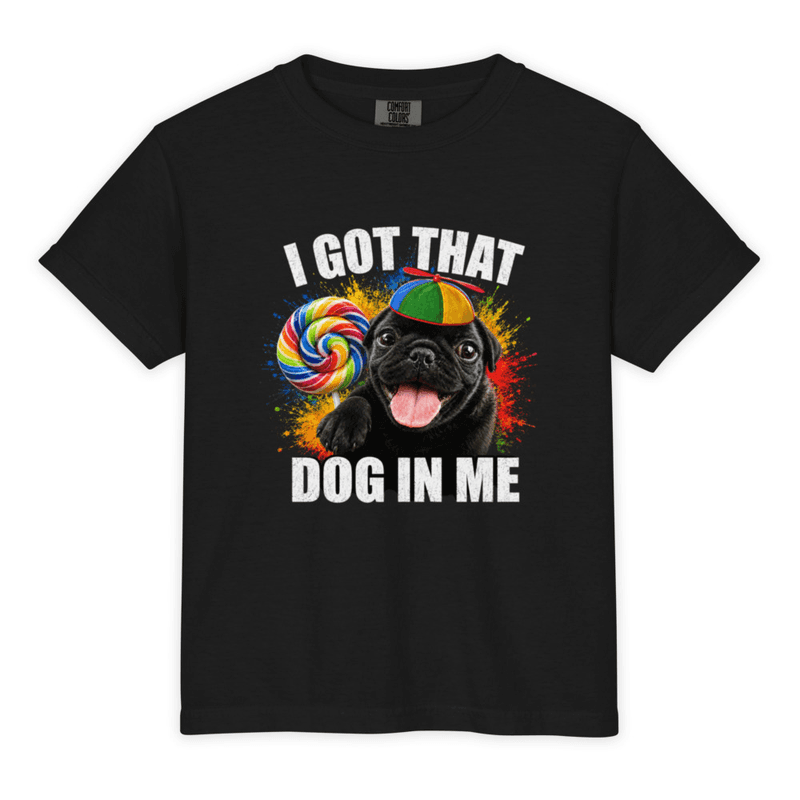
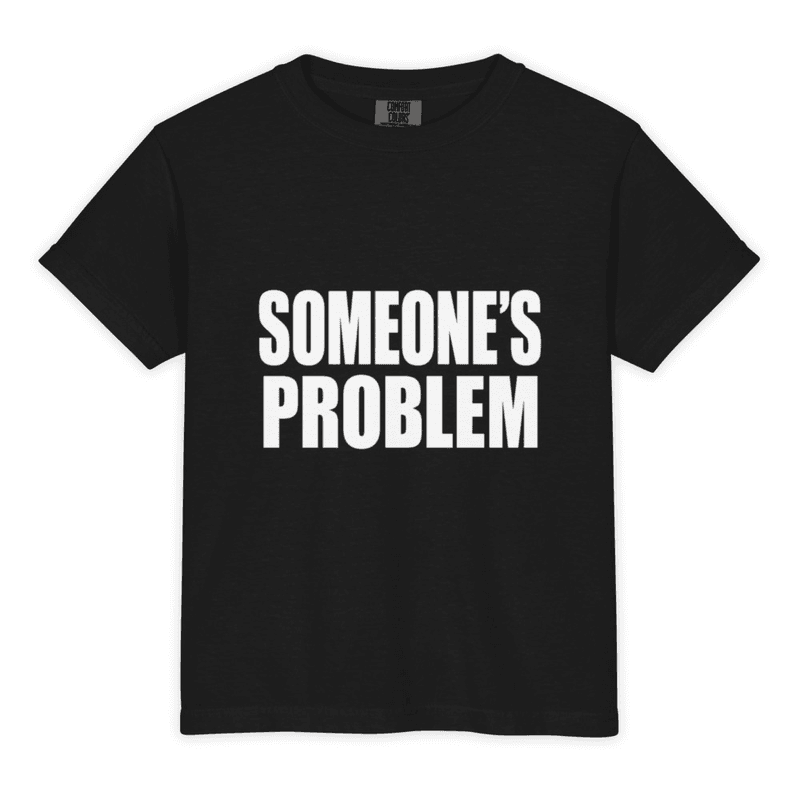
We name ours on every product page. Start with I Got That Dog In Me or Someone's Problem, or browse Offensive Shirts.